Compare a 1.8-ton mini excavator, a used Komatsu crawler model, and a 4,000 lb hay frame for construction, landscaping, and farm supply.
Compact equipment buyers rarely need one machine for one perfectly defined task. Contractors, rental fleets, distributors, and agricultural suppliers often serve customers working across construction sites, landscaped properties, utility corridors, and small farms. The right purchasing decision therefore depends on operating space, digging requirements, transport limits, attachment compatibility, and expected resale demand.
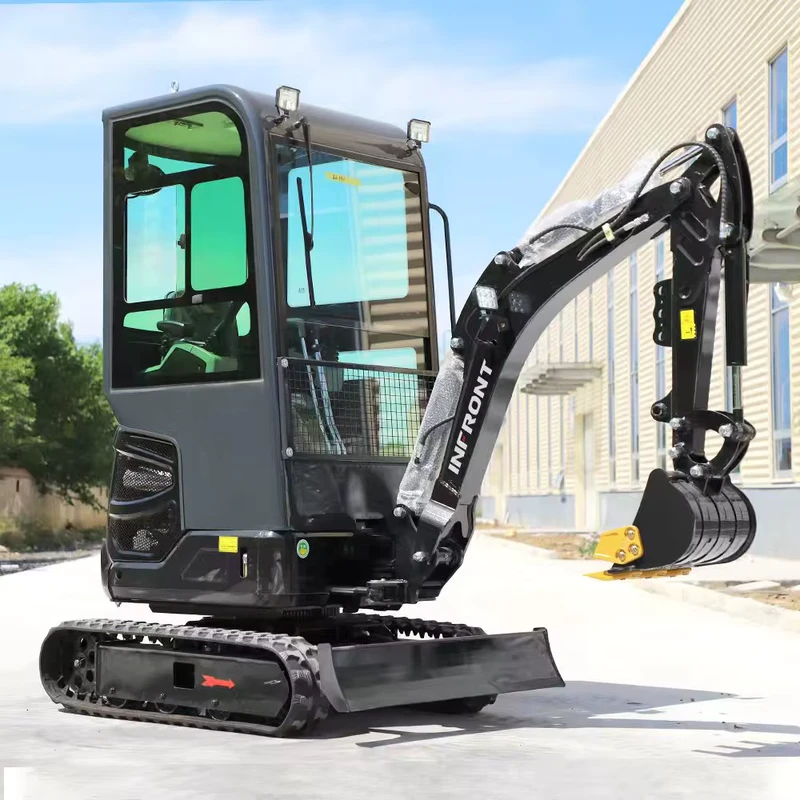
Two Compact Excavator Options
The 1.8-ton mini excavator combines crawler mobility, rubber tracks, a swing boom, and a 0.10 m³ bucket. Its specification includes a Yanmar engine and hydraulic components from Parker, Denison, and Kawasaki. Euro 5 positioning and a compact configuration make it worth considering for landscaping, property maintenance, and confined construction work where maneuverability matters.
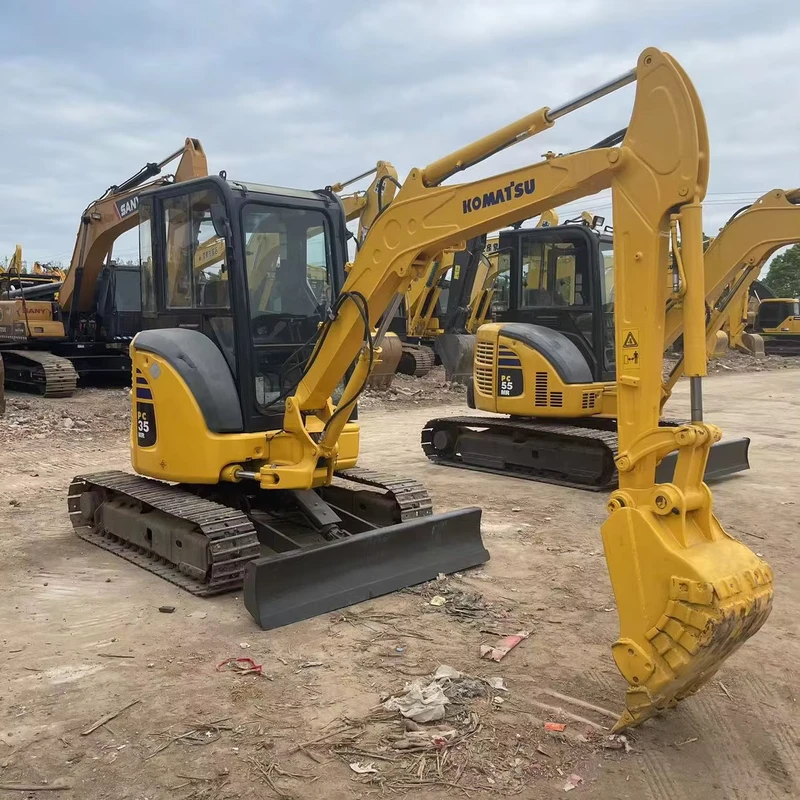
Buyers seeking a larger used machine can evaluate the Komatsu PC35MR-2. This crawler excavator is listed with a 0.11 m³ bucket, 21.6 kW power, and a maximum digging height of 5,270 mm. Komatsu-branded engine and hydraulic components offer a familiar equipment platform for dealers and fleet operators. A machinery test report and outgoing-inspection video are available for both excavator options, supporting more informed remote purchasing.
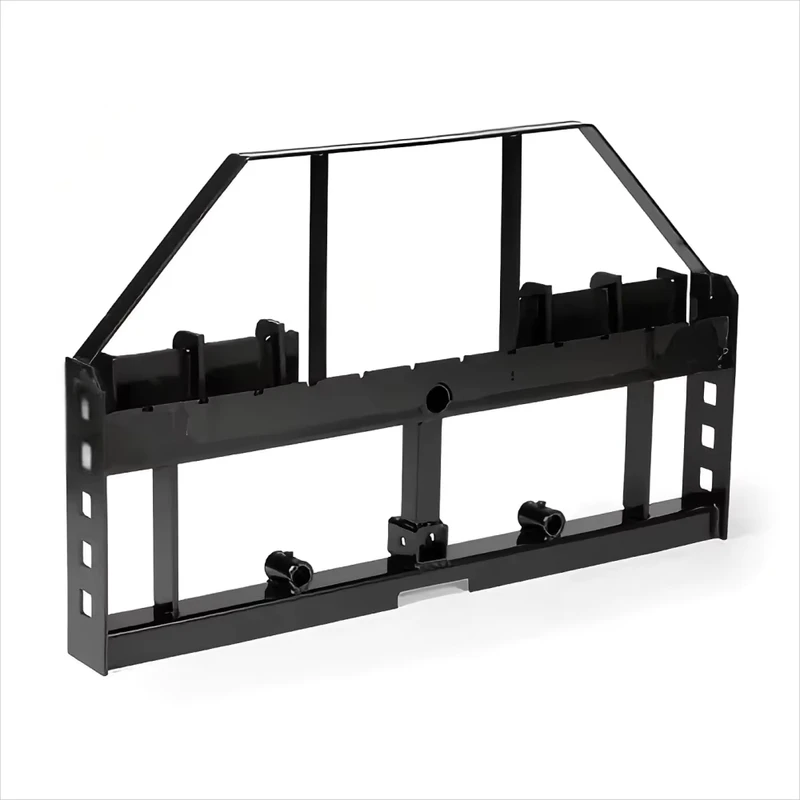
Expanding Beyond Digging Work
For agricultural handling applications, the Standard Series hay frame provides a 4,000 lb rated capacity in an all-metal, 138 lb structure. It measures 50.5 inches wide, 31 inches high, and 7 inches deep. Before ordering, purchasers should confirm the carrier interface, hydraulic or mounting requirements, load chart, and local operating regulations.
A balanced procurement plan should compare machine condition, emissions requirements, spare-parts access, attachment fit, shipping dimensions, and inspection documentation rather than price alone. Contact us with your destination market, application, preferred quantity, and technical requirements to discuss suitable equipment and quotation details.