Compare a compact excavator and two 4x4 backhoe loaders by access, mobility, compliance, power, and sourcing priorities.
Building an earthwork fleet is not simply a choice between a loader and an excavator. Importers and project buyers must consider access, ground conditions, travel distance, digging frequency, operator requirements, and local engine regulations. A balanced product range can address small landscaping jobs while supporting larger excavation and material-handling contracts.
Match Machine Size to the Working Environment
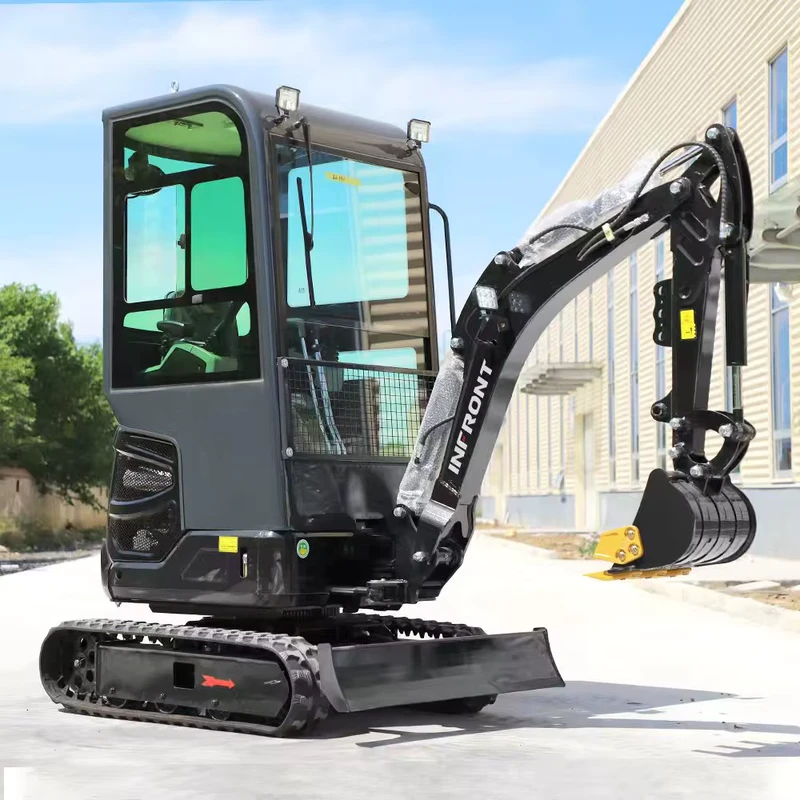
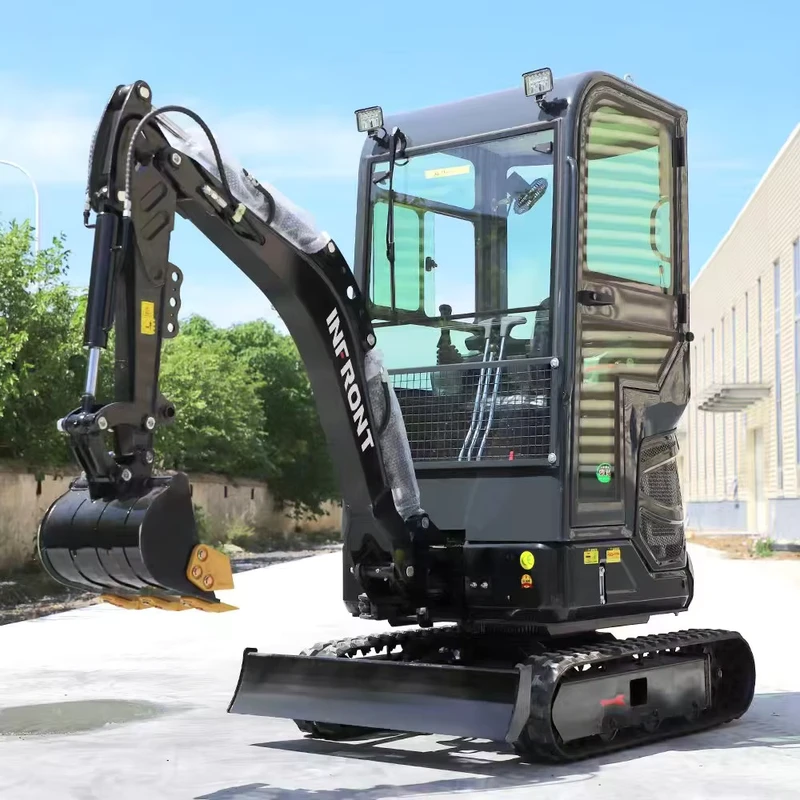
The 1.8-ton mini excavator is designed for compact construction and landscaping environments. Its crawler undercarriage, rubber tracks, swing boom, 0.02 m³ bucket, and Euro 5 engine configuration suit restricted sites where maneuverability and surface protection matter. The listed Yanmar engine and hydraulic components from established brands also provide clear specifications for procurement review.
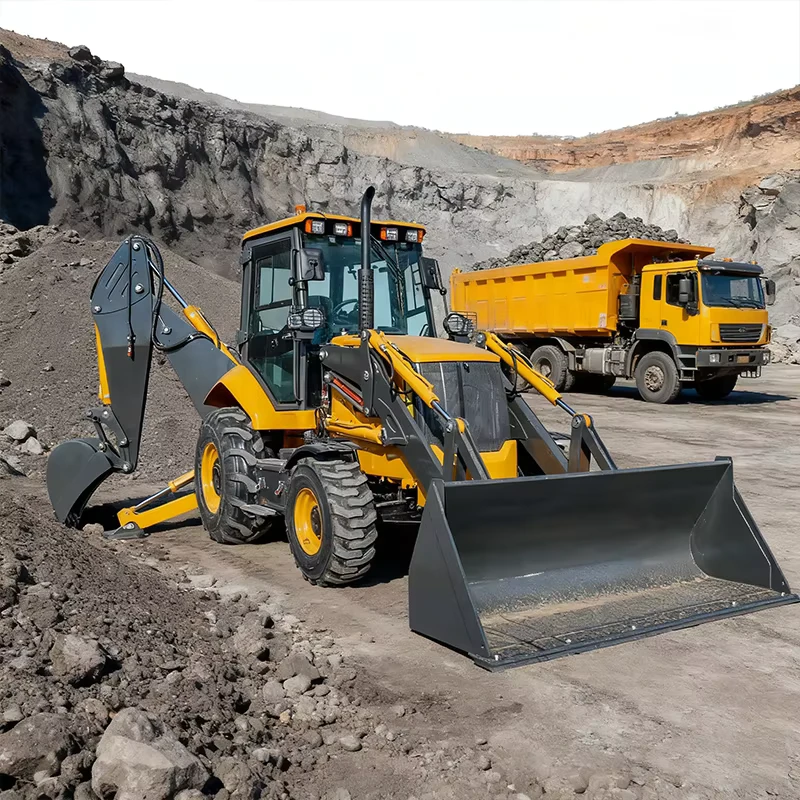
For farms, municipal work, and mixed-use sites, the mini 4×4 backhoe combines wheeled mobility with front-loading and rear-digging functions. Available power configurations, an EPA engine option, automatic transmission, and attachment compatibility make it relevant to distributors serving customers who need one machine for several routine tasks.
Scale Up for Higher Workloads
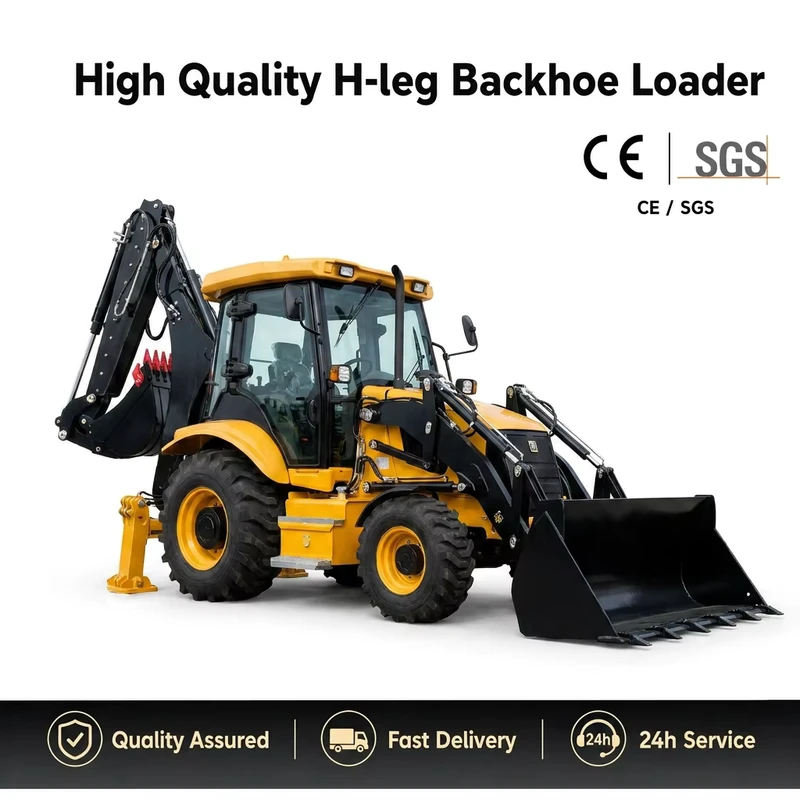
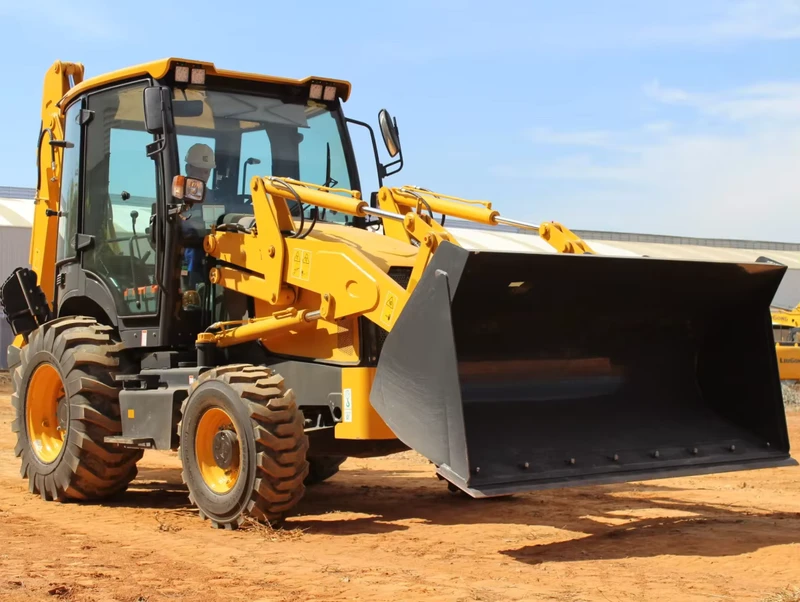
The industrial backhoe loader offers an 86 kW diesel configuration, 4×4 mobility, a front loader, and a rear backhoe. It is a stronger fit for buyers prioritizing operating efficiency and heavier excavation workloads. A Cummins engine is listed, while customized colors can support distributor or private-label positioning.
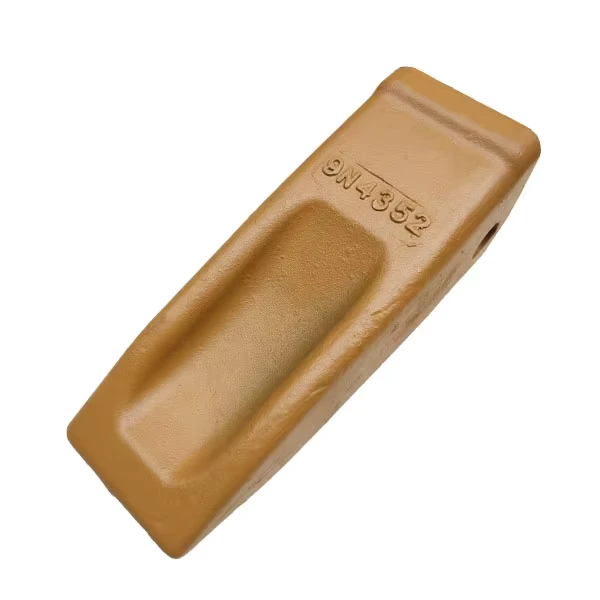
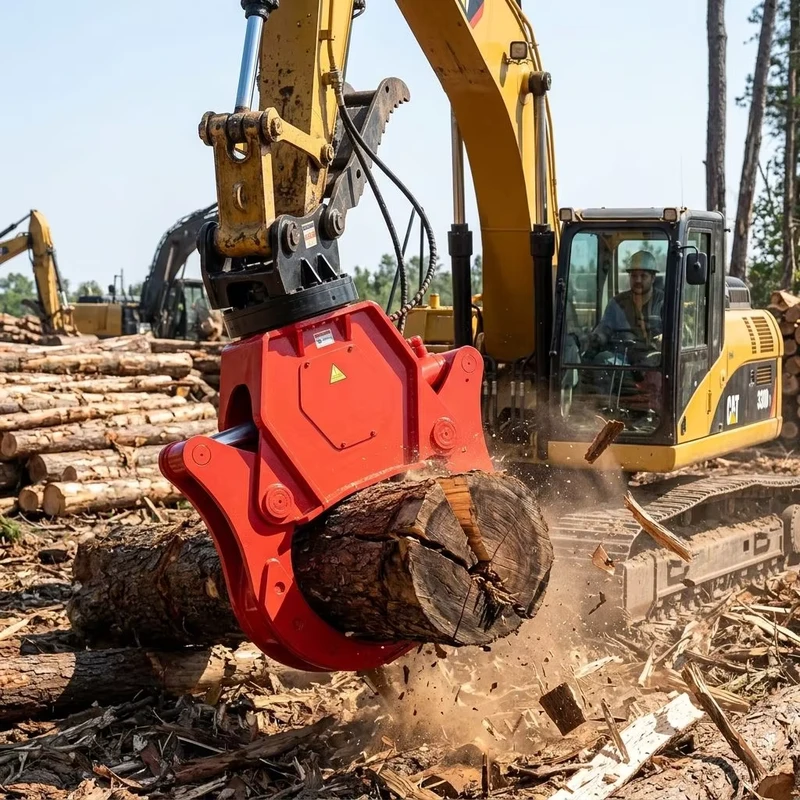
Before ordering, confirm engine compliance, attachment interfaces, bucket requirements, cab configuration, spare-parts packages, and after-sales documentation. Machinery test reports and outgoing inspection videos are available for these models. Buyers can also review the wider equipment attachment range and send project details for configuration, pricing, and delivery discussions.